Explore Compass Group’s climate net zero strategy, including science-based targets, responsible sourcing and lower-carbon operations.
We have an ambition to reach climate net zero greenhouse gas emissions across our global value chain by 2050. This means delivering reductions across our operations and supply chain, while working with partners to transform the food system and address emissions that cannot yet be eliminated.
Food sits at the heart of both our business and our climate impact. Most of our emissions arise from the food and drink we purchase, which means our progress depends on the choices made across our supply chain, in our kitchens and alongside our clients.
Meeting the world's growing demand for food while reducing emissions is one of the defining challenges of our time. As one of the world's leading food services companies, we sit at the intersection of producers, suppliers, chefs, clients and consumers. This gives us both a responsibility and an opportunity to help accelerate the transition to a lower-carbon food system.
Our climate goals, validated by the Science Based Targets initiative (SBTi), include:
By 2030 (from a 2019 baseline):
- Reduce absolute Scope 1 and 2 GHG emissions by 46%
- Reduce Scope 3 FLAG (Forest, Land and Agriculture) emissions by 33.3%
- Reduce absolute Scope 3 emissions from all purchased food and drink by 28%
By 2050:
- Climate net zero greenhouse gas emissions across our global value chain
Our Climate Transition Framework
Designed to ensure a balanced approach towards decarbonisation across our business:
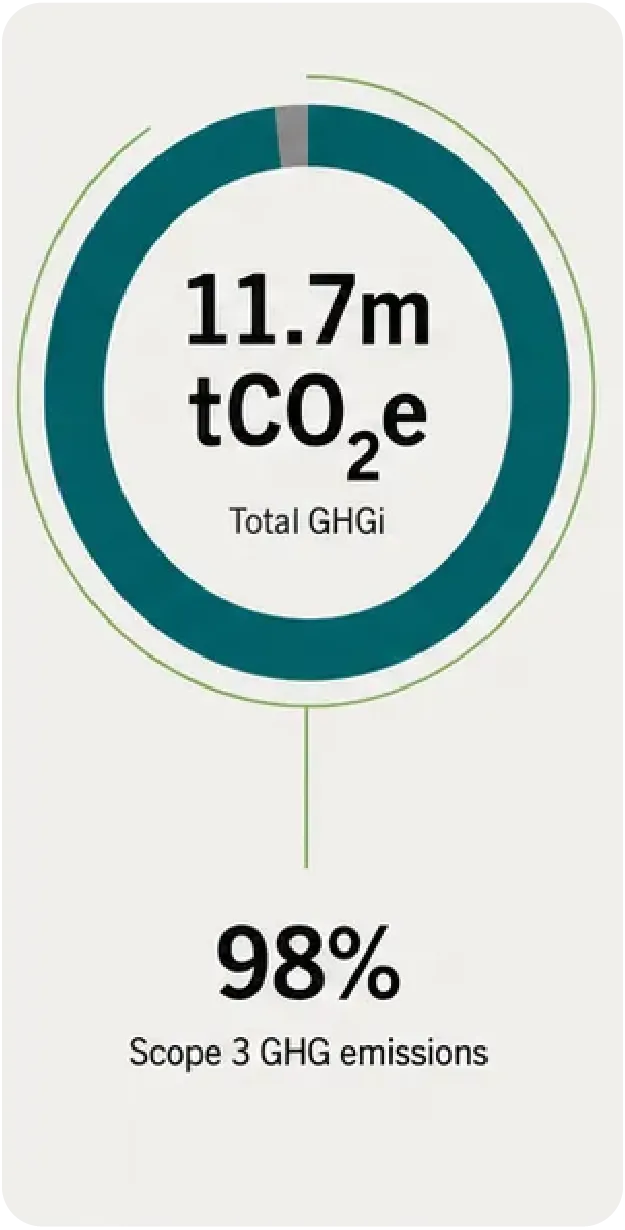
Scope 3 makes up 98% of our emissions
To decarbonise, we’ve defined three strategic levers that form our Transition Framework
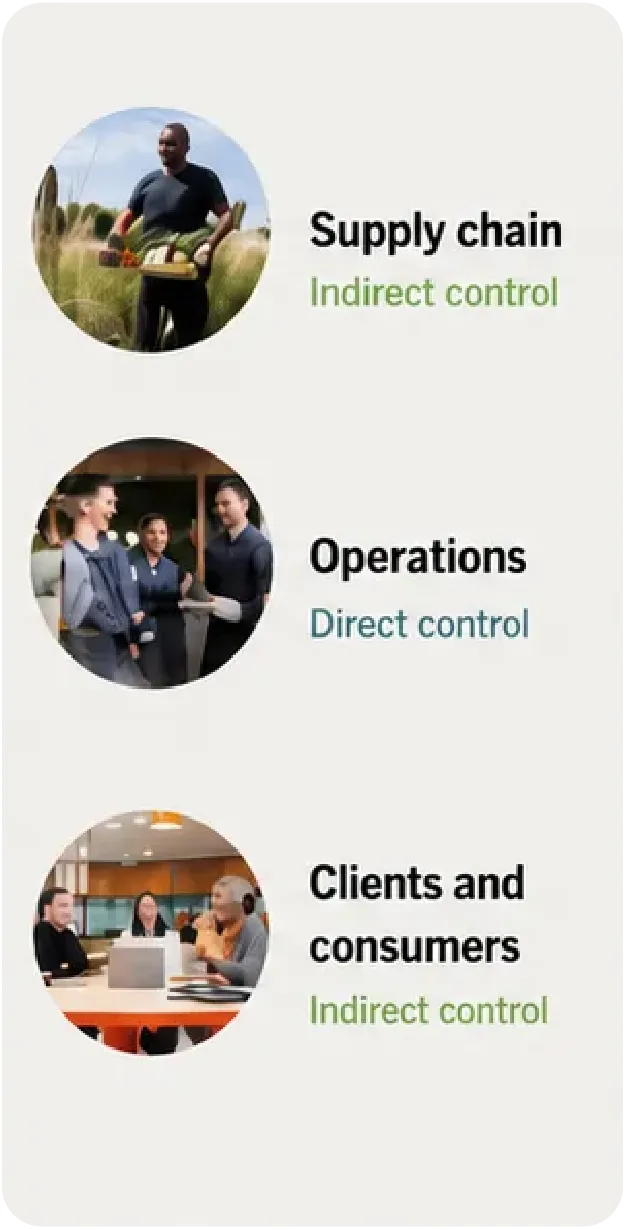
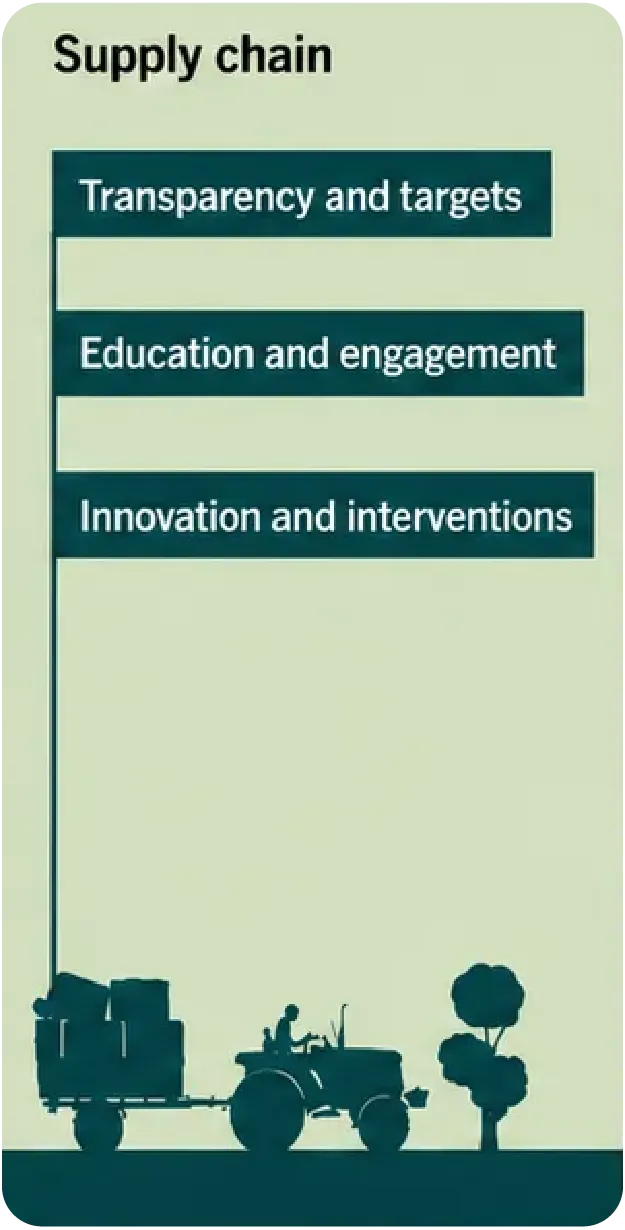
We are dialling up supplier activity to support delivery of our targets
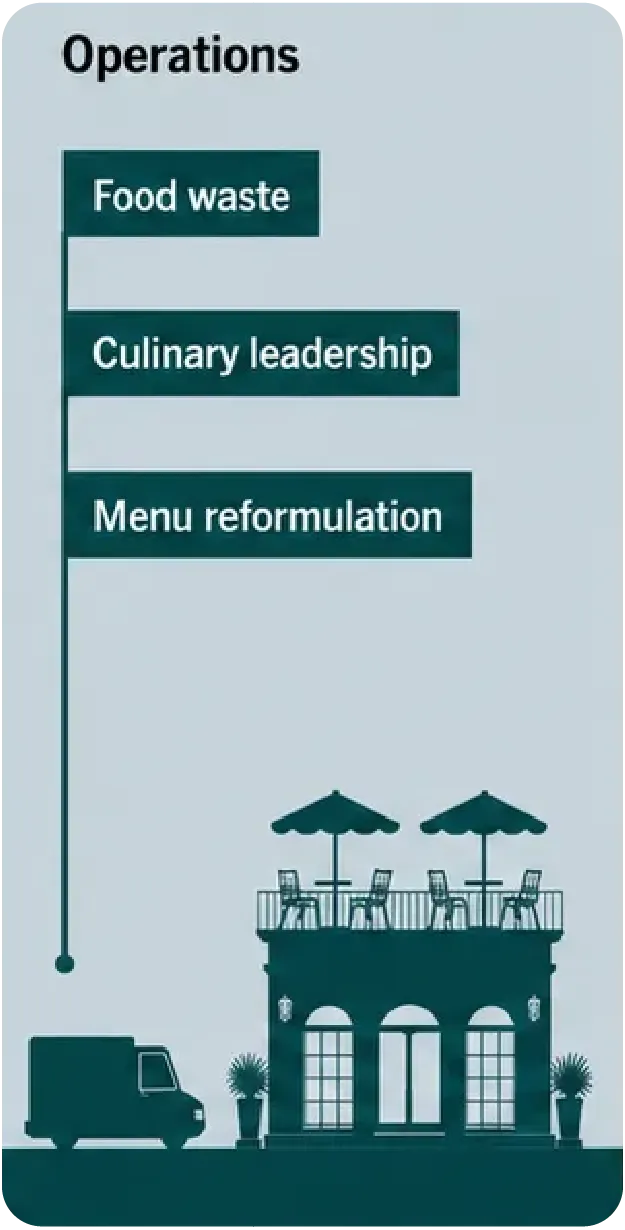
Delivering what is directly within our control has become standard operating practice
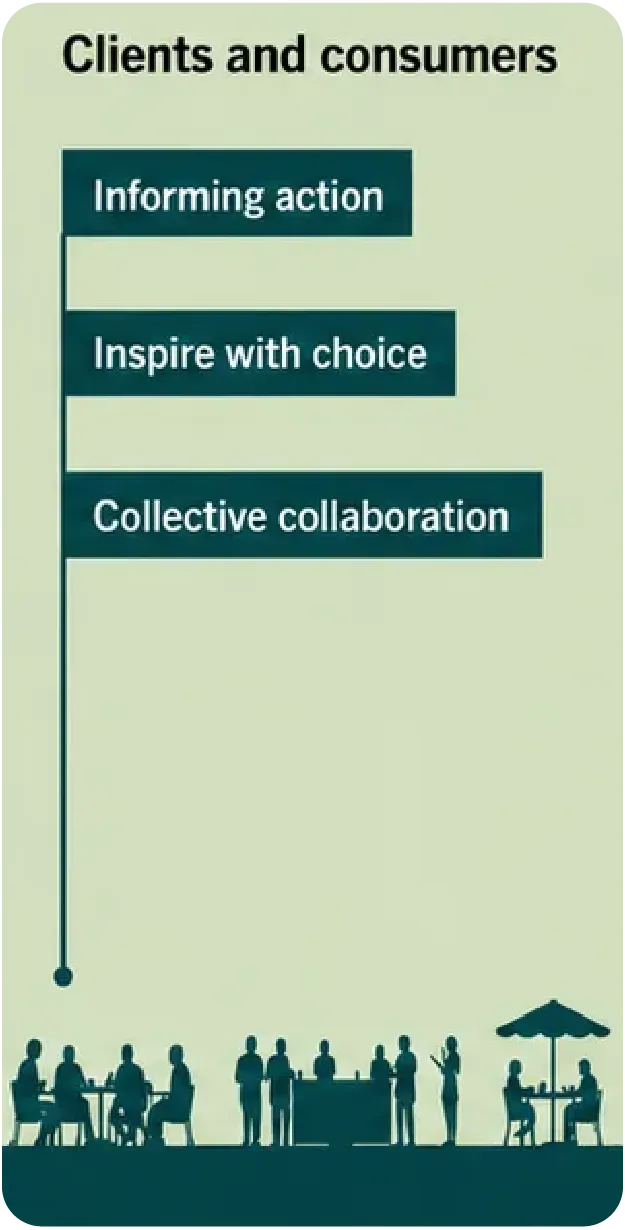
Making it easier for clients and consumers to make sustainable choices
Our global roadmap
to net zero
To make our climate net zero ambitions a reality, the actions we take over the next decade will be crucial.
Working together for change
The transition to a lower-carbon food system will require innovation, collaboration and changes throughout the value chain. No single business can do that alone. By connecting suppliers, producers, clients, chefs and consumers at scale, and working alongside governments and industry partners, Compass Group can help bring together the expertise, scale and partnerships needed to turn ambition into action.
| Supply chain Indirect control | Operations Direct control | Clients and consumers Indirect control | ||||
|---|---|---|---|---|---|---|
| Our value chain |
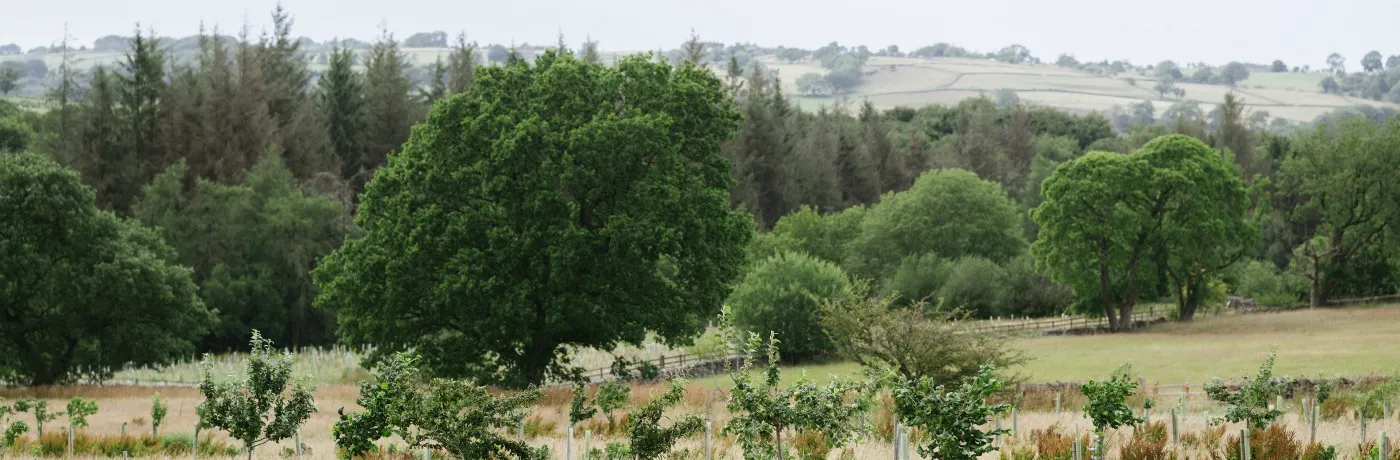
Agriculture and farmersThe raw agricultural commodities that we use in our meals are grown, gathered, reared or fished. We support sustainable practices and champion local partnerships. |
Processing and packagingThese raw agricultural ingredients may require processing, refining or transforming to create a food product suitable for distribution and consumption. |
Distribution and logisticsThis product is then transported to distribution centres and, from there, to different sites. We aim to reduce food miles during this process. |
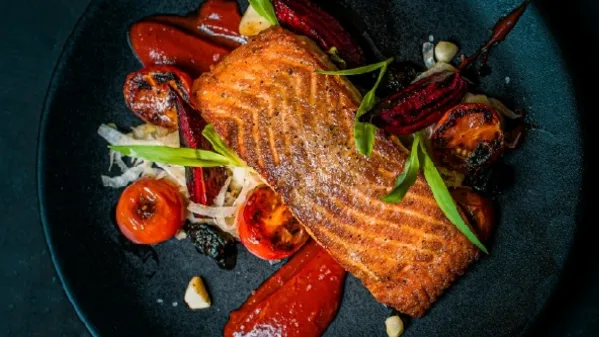
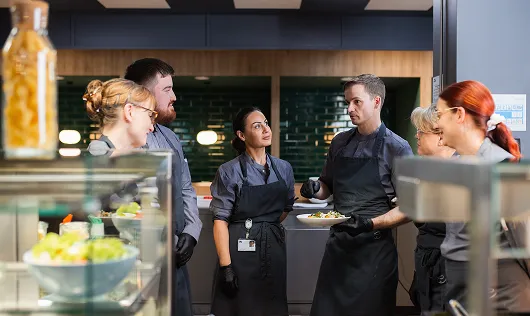
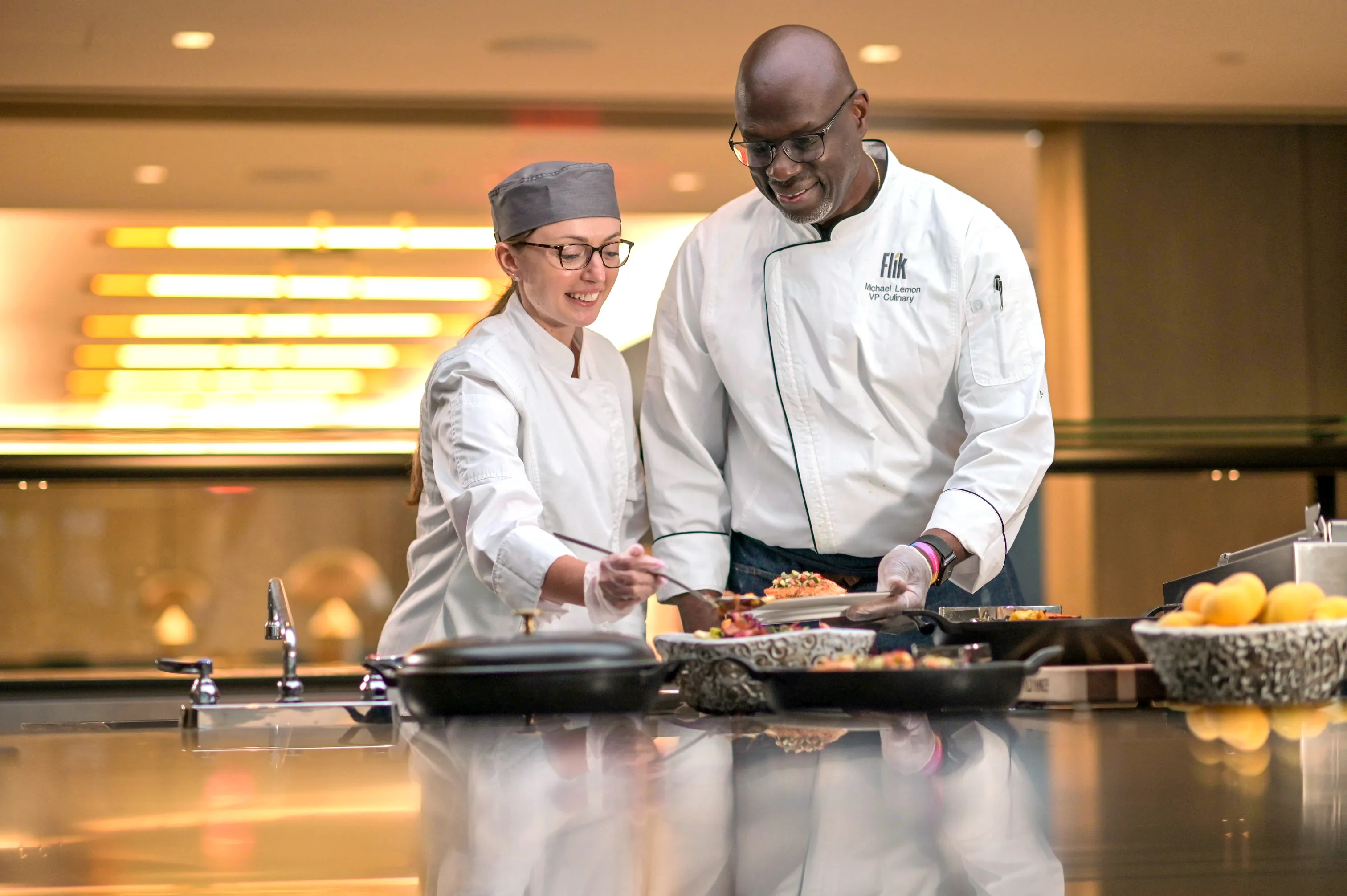
Food serviceOur businesses operate food service units at their clients’ sites, preparing, cooking and serving delicious and healthy food and drink. |
CustomersConsumers purchase our products, eating them in on-site client restaurants or taking packaged products away to consume elsewhere. |
|

|
|

|

|

|
||
| Key stakeholders |
|
|||||
 Suppliers
 NGOs
 Communities
 Investors
 Employees
 Clients
 Governments and regulators
 Consumers
 Environment