


We purchase food, drink and non-food products from thousands of suppliers around the world, allowing us to serve millions of meals every day. The choices we make help shape how food is produced, sourced and delivered across our supply chain.
It all starts with knowing where food comes from, how it was produced and the impact it has on people, animals and the environment.
Responsible sourcing is an ongoing commitment to improving how we buy and serve food, creating positive value for people, communities and the planet.
- Using our scale for good
- Global standards, local partnerships
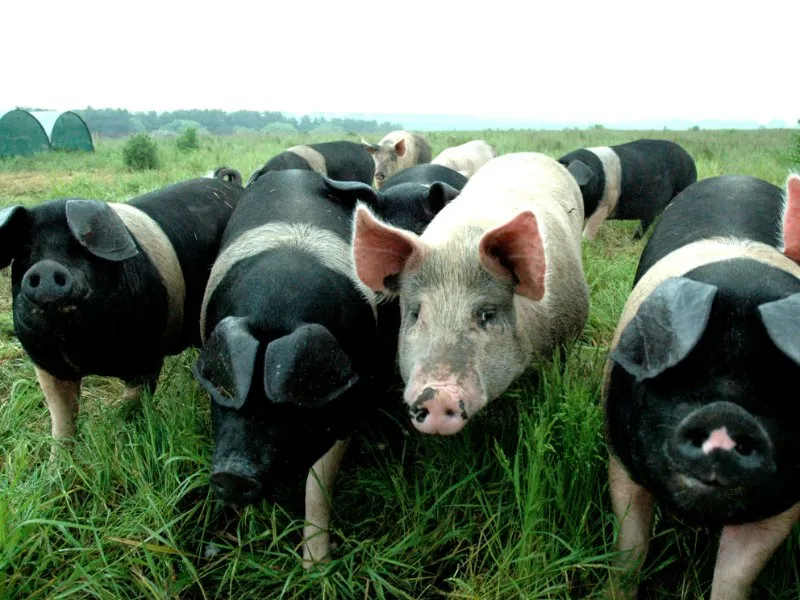
- Advancing animal welfare
- Working together for long-term change
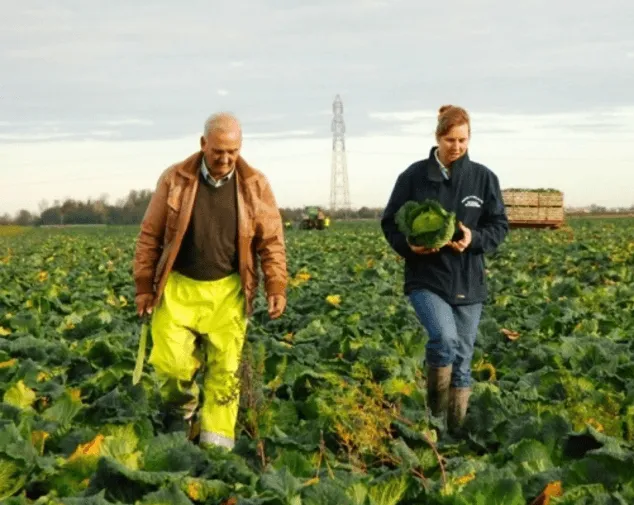
Behind everything we serve is a network of farmers, producers, manufacturers and suppliers around the world. We’re proud to work with businesses of all sizes, from global manufacturers to local producers, building strong partnerships based on trust, quality and a shared commitment to doing things the right way.
Our Global Supplier Code of Conduct helps set clear expectations for responsible and ethical sourcing. But for us, responsible sourcing is about more than meeting standards. It’s about working together, sharing ideas and using our scale to support innovation and strengthen the food system for the future.
Animal Welfare Progress Report
Animals are sentient and have the ability to experience both positive and negative states. Their welfare is not just about physical health, but also their overall wellbeing, including their mental state and ability to express natural behaviours.
This report contains key information on our progress, commitments, and outcome measures.
Sourcing with purpose
What we buy matters, and so does how it’s produced. Across our supply chain, we work with suppliers and partners to respect human rights, strengthen labour standards, support ethical trade and reduce environmental impacts.
Our approach covers everything from sustainable seafood and certified commodities to responsible farming and commodities associated with deforestation risk. By working together, we can increase transparency, better understand the impact of the products we buy and help support a more responsible and resilient food system.
Because healthy food systems rely on healthy ecosystems, we’re also focused on reducing deforestation risk, supporting more sustainable farming practices and increasing transparency across key commodities within our supply chain.
Deforestation and nature
Healthy forests and ecosystems are essential to a resilient food system. They help address climate change, protect biodiversity and support sustainable agriculture.
We’re working with our suppliers to reduce the risk of deforestation and land conversion in our supply chains, with a focus on key commodities. By improving transparency, strengthening responsible sourcing practices and working closely with suppliers, we can help protect the natural resources our food system depends on.